Wedding Flowers for The Savoy Charing Cross Case Study
Posted on 05/10/2026
Planning wedding flowers for The Savoy Charing Cross is a lovely kind of pressure. The venue has that old London polish, the kind you notice the moment you step inside: high ceilings, refined service, soft light, and a sense that every detail will be seen. That means the flowers cannot be an afterthought. They need to work with the room, the photography, the schedule, and the mood of the day.
This Wedding Flowers for The Savoy Charing Cross Case Study looks at how to approach floral design for a venue with a formal feel, a central London location, and high expectations. Whether you are choosing a bridal bouquet, ceremony flowers, table centrepieces, or buttonholes, the goal is the same: create something beautiful that looks effortless in the room and still feels personal to the couple. Sounds simple. It rarely is. But with the right plan, it can be done very well.
Below, you will find practical guidance on what matters, how the process works, common mistakes to avoid, and how to make floral choices that feel right for the venue, the season, and your budget.
Table of Contents
- Why Wedding Flowers for The Savoy Charing Cross Case Study Matters
- How Wedding Flowers for The Savoy Charing Cross Case Study Works
- Key Benefits and Practical Advantages
- Who This Is For and When It Makes Sense
- Step-by-Step Guidance
- Expert Tips for Better Results
- Common Mistakes to Avoid
- Tools, Resources and Recommendations
- Law, Compliance, Standards, or Best Practice
- Options, Methods, or Comparison Table
- Case Study or Real-World Example
- Practical Checklist
- Conclusion
- Frequently Asked Questions
Why Wedding Flowers for The Savoy Charing Cross Case Study Matters
At a venue like The Savoy Charing Cross, flowers are not just decoration. They are part of the room's first impression. They frame the ceremony, soften formal spaces, help the photographs feel warm, and tie all the styling decisions together. In a venue with strong architecture and a polished interior, a bouquet that works in a country barn can look surprisingly small or visually lost.
That is why a venue-specific floral plan matters so much. A hotel or landmark venue often has its own lighting conditions, access timing, table shapes, and display rules. If you ignore those practical details, even an excellent bouquet can feel slightly off. If you get them right, the flowers do a lot of quiet work in the background. They make the whole day feel considered.
There is also the emotional side. Wedding flowers carry memory. Years later, people often remember the scent near the aisle, the colour palette against the table linen, or the way the bouquet sat in the bride's hands just before the ceremony. It sounds small, but it is not small at all.
For central London weddings, flowers also need to work with tighter logistics. Delivery windows can be narrower, parking can be awkward, and loading in can take more planning than couples expect. To be fair, that is just part of the city. Good floristry for a venue like this means designing for beauty and for reality at the same time.
Expert summary: The best wedding flowers for a venue like The Savoy Charing Cross are the ones that balance elegance, scale, timing, and logistics. Pretty is essential, but practical is what makes pretty survive the day.
How Wedding Flowers for The Savoy Charing Cross Case Study Works
The process usually starts with the venue, not the flowers. That may sound backwards, but it is the sensible way around. The room shape, table layout, ceremony setting, and available surface space all influence what the flowers should be. A tall arrangement may suit one room and feel intrusive in another. A low, generous centrepiece may be perfect if guests need clear sightlines across the table.
A strong floral plan for this kind of wedding tends to move through a few stages:
- Venue review. Identify the ceremony and reception spaces, the natural light, and any restrictions on installations or candle use.
- Style direction. Decide whether the flowers should feel classic, romantic, modern, structured, soft, or more luxurious.
- Colour planning. Build a palette that complements the dress, linen, room tones, and season.
- Flower selection. Choose blooms that suit the style and hold up well through the wedding day.
- Scale and proportion. Match the size of bouquets and arrangements to the room and the number of guests.
- Logistics. Plan delivery, setup, timing, and any transfer of flowers from ceremony to reception.
For a venue with the character of The Savoy Charing Cross, there is often a desire to keep things refined rather than overly busy. Roses, orchids, lisianthus, lilies, hydrangeas, and seasonal mixed blooms can all work beautifully, depending on the look you want. A good florist will not just ask what flowers you like. They will ask what the room needs. That distinction matters.
It is also useful to think in layers. The bridal bouquet is the most visible piece, but the ceremony flowers, bridesmaid bouquets, groom's buttonhole, and table arrangements all need to speak the same visual language. If one element is bold and another is soft without any bridge between them, the overall design can feel a bit stitched together. Nobody wants that.
If you are planning around other wedding details too, you may find it helpful to browse broader wedding collections such as wedding flowers and collections and then narrow down the pieces that suit the event style.
Key Benefits and Practical Advantages
Well-planned wedding flowers do more than look nice in photos. They help the whole day feel coherent, and that has real value. A coordinated floral design gives structure to the visual story of the wedding. Guests may not consciously analyse it, but they feel the effect immediately.
- Better visual flow. The bouquet, tables, and ceremony flowers feel connected instead of random.
- Stronger photography. Flowers add texture, contrast, and softness in pictures, especially in polished indoor spaces.
- More personal styling. The floral palette can reflect the couple's taste without shouting for attention.
- Space-aware design. Arrangements can be chosen to suit room proportions, guest sightlines, and table shapes.
- Lower stress on the day. Clear planning reduces last-minute panic, and let's face it, weddings already bring enough of that.
One of the biggest advantages of a venue-led approach is that it prevents wasted spend. If you know where flowers will be seen, where they will be moved, and which pieces can be reused, you can allocate budget more intelligently. For example, a striking ceremony arrangement may be moved to frame the top table later, while smaller accent pieces support the tablescape.
Another practical benefit is consistency. At a venue like The Savoy Charing Cross, guests expect refinement, so consistency in scale and finish makes a difference. Ribbon choice, stem wrapping, vase style, and the density of arrangements all contribute to the impression. It is not just about the bloom type. It is the whole finish.
| Floral choice | Best for | Practical strength | Potential drawback |
|---|---|---|---|
| Bridal bouquet | Personal statement and photos | Highly visible, emotionally significant | Needs careful handling all day |
| Ceremony arrangement | Aisle framing, registrar or altar area | Strong focal point, can anchor the room | May need repositioning later |
| Table centrepieces | Reception styling and guest experience | Creates atmosphere and continuity | Can block sightlines if oversized |
| Buttonholes and corsages | Groom, groomsmen, close family | Small but cohesive detail | Need to be secure and comfortable |
Who This Is For and When It Makes Sense
This kind of floral planning is ideal for couples getting married at The Savoy Charing Cross or a similar central London venue where presentation matters and space may be limited. It also suits anyone who wants their flowers to feel elegant rather than overly rustic or casual.
It makes sense if you are:
- planning a hotel, city, or heritage-style wedding
- wanting a polished, editorial look in photos
- working with a clear colour palette
- trying to make the most of a smaller guest list or a focused set of key arrangements
- hoping to reuse ceremony flowers at the reception
- looking for floral design that feels bespoke, not cookie-cutter
It may be less suitable if you want a very relaxed, wild, meadow-heavy look with lots of sprawling textures and no structure. That can still work in some spaces, of course, but it needs the right venue and the right hand behind it. Otherwise it can look slightly out of place. You know it when you see it.
This approach is also useful for planners and family members helping to organise the day. If you are not sure how much floral coverage is enough, a venue-specific plan keeps decisions clearer. You can separate the "must-have" items from the "nice-to-have" extras. That one distinction saves headaches.
Step-by-Step Guidance
If you are building wedding flowers for a venue like The Savoy Charing Cross, a simple step-by-step process keeps everything manageable.
1. Start with the room, not Pinterest
Inspirational images help, but they should not be the first and only source of truth. Ask what the room needs. Is the space formal and bright, or intimate and shaded? Are tables round or long? Will guests be seated close together or spread out? These practical questions shape the floral design more than a mood board ever will.
2. Define the visual mood
Decide whether the wedding should feel classic, romantic, modern, or luxurious. For example, white roses and orchids create a crisp, timeless feel, while mixed seasonal blooms can feel softer and more playful. Neither is better. They simply do different jobs.
3. Choose a palette that suits the venue
At a refined city venue, soft whites, creams, blush pinks, mauves, and deep romantic tones often work well. That said, stronger colours can also look beautiful if handled carefully. A single accent colour used in bouquets, buttonholes, and table pieces can lift the whole look.
4. Balance statement pieces with supporting details
One dramatic arrangement can be wonderful. Ten dramatic arrangements in a compact room? Less wonderful. Good design gives the eye places to rest. A bridal bouquet may be lush and full, while bridesmaid bouquets and table pieces remain lighter and simpler.
5. Confirm practical logistics early
Check delivery timing, setup access, and whether any flowers need to be kept cool before use. Flower life at a wedding is not just about freshness on arrival. It is about how they hold up through transport, photos, the ceremony, dinner, and dancing. That is a long day for a peony, frankly.
6. Build in a reuse plan
If ceremony flowers can be moved to the reception, the budget works harder. Ask which arrangements can be repurposed without looking awkward. Not everything can be moved, and that is fine. The goal is sensible efficiency, not forcing every arrangement to play three roles.
7. Review final details before the day
Confirm names, times, delivery point, contact details, and any special requests such as ribbon colour or specific bloom preferences. Tiny details become big on the day if they are missed. Better to check twice than to be improvising while everyone is dressed and waiting.
Expert Tips for Better Results
After working through enough wedding floral briefs, a few patterns become very clear. The best results come from clarity, restraint, and a realistic view of what flowers can do.
- Use scale wisely. Grand rooms need enough floral presence to feel intentional, but oversizing can clutter the space.
- Design for photographs and live experience. Something can look lovely in a close-up and still block conversation at the table. Both matter.
- Choose durable blooms for the ceremony core. Roses, orchids, and some mixed seasonal stems often travel well and photograph cleanly.
- Keep the bouquet comfortable to hold. A beautiful bouquet that feels heavy after ten minutes is, well, not ideal.
- Think about scent. Fragrance can be lovely, but in a formal indoor setting it should be balanced. Too much scent near a table is distracting.
- Leave a little room for flexibility. A florist who can adapt on the day is worth their weight in ribbon.
One small but useful tip: ask to see the flowers in terms of texture as well as colour. A room can feel flat if every arrangement has the same shape and density. Mixing open blooms with tighter buds, or glossy petals with softer filler, creates depth without making the design noisy.
Another thing people often forget is the way flowers interact with the evening light. Around late afternoon and into early evening, warm lighting can change the look of pale flowers quite a bit. That is not a problem, but it should be considered. A bloom that looks cool-toned by day can feel warmer by dinner. Tiny shift, big visual difference.
Common Mistakes to Avoid
Even careful couples make a few predictable mistakes with wedding flowers. The good news is that most of them are avoidable.
- Choosing flowers before understanding the venue. Beautiful flowers can still look wrong if the scale does not suit the room.
- Ignoring the timing of the day. Flowers must survive not just arrival, but the full wedding timeline.
- Overcrowding the table. Guests need space for food, drinks, and conversation. Centrepieces should enhance, not dominate.
- Using too many unrelated styles. Mixing classic, rustic, tropical, and ultra-modern elements can feel messy unless it is handled with care.
- Forgetting the small pieces. Buttonholes, corsages, and bridal party flowers help complete the design.
- Leaving confirmation too late. In peak wedding season, timing matters. A lot.
Another common issue is assuming all white flowers are interchangeable. They are not. White roses, lilies, orchids, hydrangeas, and lisianthus each bring a different shape and finish. If you want a crisp polished look, those differences matter quite a lot. It is the kind of detail guests may not name, but they definitely notice.
And then there is budget drift. Couples often start with a clear idea, then add a little here, a little there, and suddenly the floral plan becomes much larger than the room or budget really needs. A good florist helps keep that in check without making the design feel stingy. There is a sweet spot. There always is.
Tools, Resources and Recommendations
You do not need a complicated toolkit to plan wedding flowers well, but a few simple resources make the process smoother.
- Venue photos: Use real images of the room whenever possible, not just inspiration shots.
- Guest count and seating plan: These help determine how many arrangements are actually needed.
- Colour references: Fabric swatches, dress images, or invitation designs are very useful.
- Budget outline: Even a rough split between bouquet, ceremony, and reception flowers helps prioritise.
- Delivery schedule: Keep this clear so nothing is left to memory on the morning.
If you want to understand the maintenance side a little better, the site's flower care guidance is a sensible place to look. It is especially helpful if you are planning flowers that need to stay fresh through travel, setup, or a long event day.
For practical ordering and timing, you may also want to review delivery information, especially if the wedding involves a precise drop-off window or multiple delivery points. In central London, the timing bit is never just a detail. It is part of the design.
And if you are comparing styles, browsing bridal bouquets, bridesmaid bouquets, buttonholes, and table arrangements can help you see how the pieces sit together before you make final choices.
For couples who prefer a coordinated look without having to choose every stem one by one, a curated wedding collection such as White Wonders Wedding Collection or True Happiness Wedding Collection can be a useful starting point. Collections are not a shortcut in the lazy sense. They are a shortcut in the sane sense.
Law, Compliance, Standards, or Best Practice
Wedding flower planning is not heavily regulated in the way some industries are, but there are still sensible standards and best practices to respect. For a London venue, that usually means working within the venue's own rules, ensuring delivery access is arranged correctly, and avoiding anything that could create a safety or housekeeping issue.
In practical terms, this means checking:
- whether the venue allows candles, open flames, or tall installations
- how and when suppliers may access the property
- where arrangements can be stored before the ceremony
- how waste, packaging, and water are handled after setup
- whether the florist needs public liability cover, depending on the venue's requirements
Good hygiene and careful handling also matter. Fresh flowers should be transported and conditioned properly, with water and temperature control where needed. This is part of normal floristry practice, not a special extra. If flowers are left in hot conditions, or squeezed into a van with no thought for airflow, the result will show. Usually before you even get to the aisle.
There is also a broader best-practice point around sustainability. Some couples prefer locally sourced seasonal flowers, reusable containers, or designs that minimise waste. Those are reasonable preferences, and they can be discussed openly with the florist. If sustainability matters to you, be clear about it early. That gives the design team space to respond thoughtfully instead of forcing the issue later.
If you are looking at the business side of a larger wedding order, it can also help to review guarantees, terms and conditions, and returns and refund details so everyone understands expectations before the event. Clear expectations are boring, maybe. But they are very useful.
Options, Methods, or Comparison Table
Not every wedding floral plan needs to be built the same way. For a venue like The Savoy Charing Cross, three broad approaches often come up: a classic streamlined setup, a fuller luxury style, or a mixed practical approach that focuses spend on the most visible pieces.
| Approach | What it looks like | Best for | Trade-off |
|---|---|---|---|
| Classic streamlined | Simple bouquet, modest ceremony pieces, clean tables | Elegant city weddings with tighter budgets | Less visual drama |
| Luxury statement | More blooms, fuller arrangements, stronger venue presence | Couples wanting a standout look and stronger impact | Higher cost and more setup complexity |
| Mixed practical | Invest in key focal points, reuse flowers between spaces | Balanced weddings where value and style both matter | Requires good coordination on the day |
There is no universally correct option. What matters is fit. A smaller guest list may benefit most from selective statement pieces. A larger reception may need more widespread floral coverage to feel cohesive. The venue itself should help decide. If the space is already visually rich, flowers can refine it. If the space feels sparse, flowers may need to do more heavy lifting.
For couples deciding between ready-made arrangements and more bespoke styling, a curated collection can reduce decision fatigue, while a more tailored plan gives finer control over colour, flower type, and structure. Truth be told, most people end up somewhere in the middle.
Case Study or Real-World Example
Here is a realistic example of how this type of wedding flower planning often comes together.
A couple is marrying at The Savoy Charing Cross and wants a classic London look with a soft romantic finish. They like white and blush tones, but they do not want anything too stiff or too elaborate. Their guest count is modest, the ceremony and reception are both indoors, and they want the flowers to photograph beautifully without overwhelming the room.
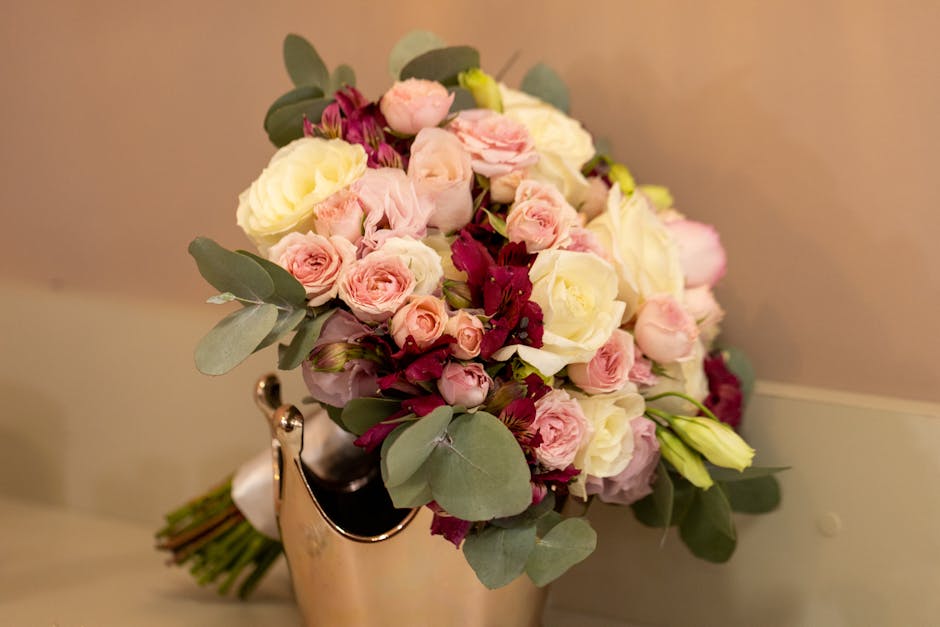
The floral plan starts with a structured bridal bouquet using roses and orchids for polish, with a little lisianthus to soften the shape. Bridesmaid bouquets are smaller and lighter, so they complement rather than compete. Groom's buttonholes are kept neat and discreet. On the tables, the design shifts to low arrangements that allow conversation, using repeated floral elements so the room feels coordinated. A ceremony arrangement is placed where it can later be reused in the reception area. Practical, and a bit clever too.
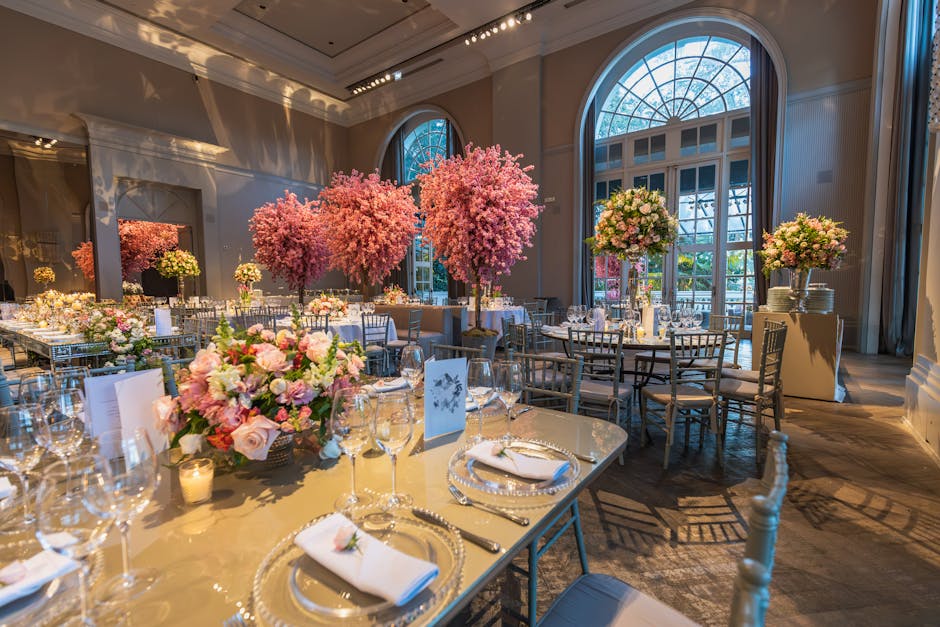
The result is not a room stuffed with flowers. It is a room that feels dressed. There is a difference. The flowers support the wedding instead of taking over the wedding, which is exactly what you want in a refined venue. Guests remember the atmosphere, the colour story, and how everything seemed to belong together.
A small moment often makes the biggest difference. The bride holding the bouquet near the window for a few photos. The soft movement of ribbon when the doors open. The table arrangements catching the light just as dinner begins. Nothing showy. Just right.
Practical Checklist
Use this checklist when planning wedding flowers for The Savoy Charing Cross or a similar London venue.
- Confirm the ceremony and reception spaces
- Check the venue's access rules and delivery times
- Decide on a clear colour palette
- Choose bouquet, buttonhole, and table arrangement styles
- Confirm whether flowers can be reused later in the day
- Review the room's lighting and table size
- Make sure the design suits the guest count
- Set a realistic budget and prioritise key items
- Ask about flower care and transport
- Confirm final quantities, names, and timings
- Check for any venue restrictions on candles or installations
- Keep one person responsible for day-of contact with the florist
Quick reminder: if the flowers need to do a lot of visual work, focus first on the pieces guests will actually see most often. That usually means bouquet, ceremony focal point, and table centrepieces. The rest supports the story.
Conclusion
Wedding flowers for The Savoy Charing Cross work best when they are designed with the venue in mind from the very beginning. That means thinking about scale, light, timing, table shapes, and the overall mood of the day, not just choosing favourite blooms in isolation. The most successful floral plans feel elegant because they are organised, not because they are expensive for the sake of it.
If you are planning a wedding in central London, keep your priorities clear: choose flowers that suit the room, support the photographs, and make the day feel personal without creating unnecessary complication. That is the sweet spot. And once you find it, everything else tends to fall into place a little more easily.
Get a free quote today and see how much you can save.
In the end, the right flowers do more than decorate a wedding. They help the whole day feel quietly, beautifully complete.
Frequently Asked Questions
What makes wedding flowers for The Savoy Charing Cross different from flowers for a standard venue?
The main difference is scale and finish. A refined central London venue usually needs flowers that suit its interior style, lighting, and formality. The flowers should complement the room rather than compete with it.
Which flowers usually work well for a Savoy-style wedding setting?
Roses, orchids, lisianthus, hydrangeas, lilies, and carefully chosen seasonal blooms often work well because they create an elegant, polished look. The final choice depends on the season and the overall colour palette.
How far in advance should I plan wedding flowers?
The earlier the better, especially for peak wedding dates. Early planning helps with availability, venue logistics, colour matching, and budget control. It also reduces the chance of last-minute compromises.
Can ceremony flowers be reused at the reception?
Often, yes. Many arrangements can be moved and repurposed if the setup allows it. This is one of the best ways to make the floral budget go further without losing visual impact.
How many floral arrangements do I actually need?
That depends on guest count, room size, and the level of styling you want. A smaller, elegant wedding may need only a few focal pieces, while a larger reception may need more widespread coverage to feel balanced.
What if I want a luxury look but have a moderate budget?
Focus on the most visible pieces first. A strong bridal bouquet, good ceremony flowers, and well-chosen table arrangements can create a high-end feel without covering every surface.
Are white wedding flowers always the safest choice?
White flowers are classic and versatile, but they are not the only elegant option. Soft blush, cream, mauve, and deeper romantic shades can all look beautiful if they suit the venue and the couple's style.
Do I need to worry about venue rules for flowers?
Yes, especially in a hotel or formal venue. Access times, storage space, candles, and installation restrictions can all affect the floral plan. It is worth checking these details early.
How do I make sure the flowers photograph well?
Choose blooms with good shape, texture, and colour balance. Also consider the room's light, the bouquet size in the hands, and whether the arrangements sit neatly in the frame rather than blocking key moments.
What is the biggest mistake people make with wedding flowers?
One of the biggest mistakes is choosing flowers without thinking about the venue. A beautiful floral style can still feel wrong if the scale, shape, or finish does not suit the space.
Can I use seasonal flowers and still keep a luxury feel?
Absolutely. Seasonal flowers often look fresher and more natural, and they can still feel luxurious when the composition is well balanced. Luxury comes from design quality, not just flower price.
Should I choose a set collection or a fully bespoke floral design?
That depends on how much control you want. A curated collection can simplify decisions, while a bespoke design gives more flexibility with colour, scale, and flower choice. Many couples like a blend of both.
How do I keep wedding flowers fresh through the whole day?
Good conditioning, proper transport, and correct setup timing all matter. Flowers should be handled carefully and kept in appropriate conditions before the ceremony, especially during warmer weather or longer event days.
Is it worth paying more for a florist familiar with central London venues?
Usually, yes. A florist with experience in city venues understands timing, access, setup pressure, and how to design for formal interiors. That practical knowledge can save a lot of stress on the day.